
Workplace Culture In The Age Of Mindful Living
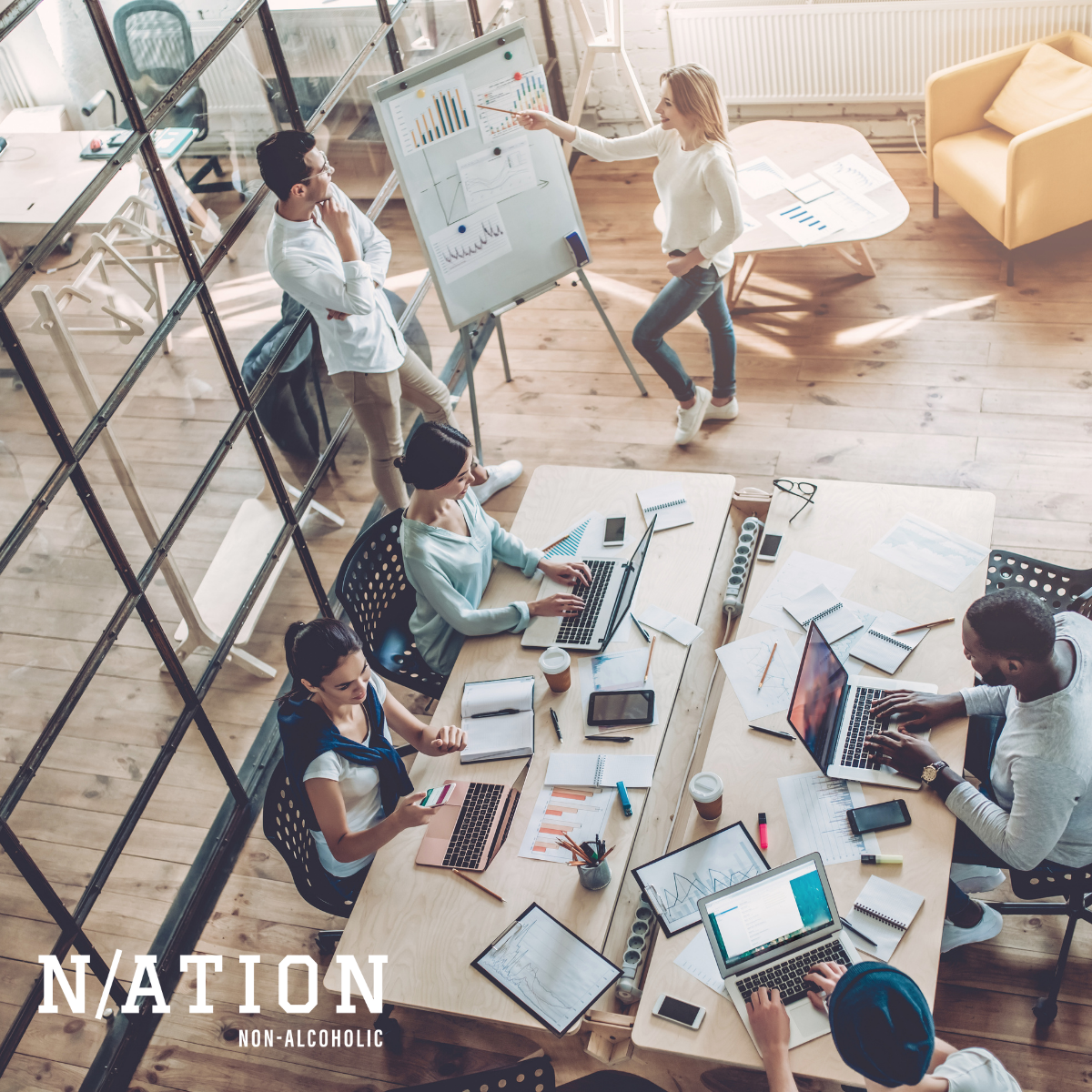
As the mindful drinking trend takes further hold, might it collide with a larger movement around workplace wellbeing, or are they heading in opposite directions?
Workplace wellbeing has been a topic for the better part of the last decade. Conversations around the importance of mental health, flexible work schedules, wellness stipends for things like gym memberships, and maybe even yoga or massages in the office. Companies have been talking a big game around wellness for some time. But talk and reality don’t always line up. The big question is whether wellness has really become part of how companies operate, or is it still something leaders care about only when they have to? And are we back-sliding into a period where employers are pulling back on “softer” wellness benefits as the balance of power has seemingly shifted to employers?
Those questions and more were on our mind as we sat down with Jennifer Moss, an award-winning author and workplace culture strategist who has spent years studying burnout, happiness at work, and what actually helps people feel better on the job. Her work has been featured in outlets like the Harvard Business Review, Time, The Wall Street Journal, as well as on CNN.
More Tools, More Stress?
In our conversation we talked a lot about how work has changed in the last few years. AI, hybrid schedules, endless Slack pings, late-night emails. On paper, these tools are supposed to make life easier. In reality, they often make work feel like it never really shuts off. Jennifer shared how this “always on” culture quietly fuels burnout, even when companies are investing heavily in mental health and wellness programs. The problem isn’t a lack of resources, it’s that many of these initiatives live on the margins instead of being built into how leaders think about performance, productivity, and success.
Wellness Isn’t Just Mental
Another part of the conversation that really stuck with us was how physical environments and everyday habits affect how we feel at work. Things like office design, access to natural light, and even what we eat and drink during the day can have a real impact on energy, focus, and resilience.
That’s where mindful drinking comes into the picture. For a lot of people, rethinking their relationship with alcohol isn’t about cutting things out, it’s about being more intentional. Choosing what supports clarity, better sleep, and showing up feeling good the next day fits naturally into a broader conversation about wellbeing.
“Gen Z is not spending on alcohol like Xers and Boomers did,” says Moss. “They don’t have that environment they’re expecting to go into (work) where it’s like Mad Men, and they’re just sitting around drinking a gin and tonic at their desk. It’s obviously very different.”
Moving Wellness Out of the “Nice-to-Have” Bucket
One of the biggest takeaways from our conversation with Jennifer was that wellness can’t be treated like a bonus feature. If it’s not part of leadership strategy, as with anything else it just won’t stick. As work continues to evolve, the companies, and individuals, who prioritize sustainable ways of working will be better equipped to handle change. That means healthier boundaries, more thoughtful leadership, and making choices that support long-term wellbeing, both in and out of the workplace.
Interested to hear more from our conversation with Jennifer? Listen to our podcast via Spotify, above. Also available via Apple Podcasts, Pocket Casts, or wherever you consume your content.