
Should Company Happy Hours Get a Demotion?
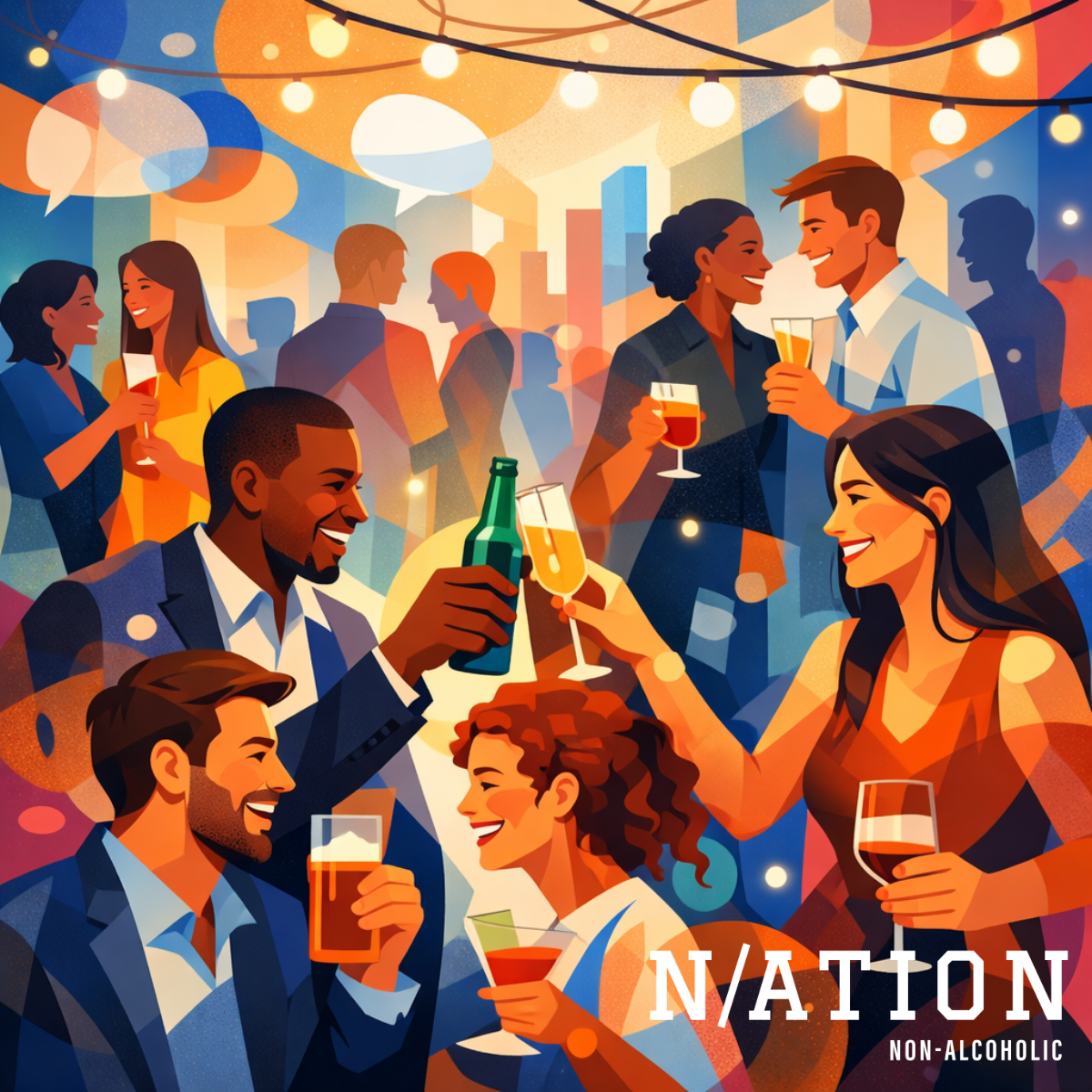
Recent data suggests companies may be better served to focus less on events revolving around alcohol, and more on fostering genuine connection.
The traditional “happy hour” has long been a staple of corporate culture, and a convenient shorthand for networking, team bonding, and unwinding after a long day. But as workplace expectations evolve, so too must the environments we create for employees to connect. What was once considered inclusive and enjoyable is increasingly being reconsidered through a more modern, employee-centric lens.
Recent data highlights a meaningful shift. When nearly 4 in 10 employees feel pressured to drink at work events, it’s no longer just a personal preference issue, it becomes a cultural one. Add to that the 35% who believe alcohol-centric gatherings foster exclusivity rather than connection, and it’s clear the traditional happy hour may not be delivering on its original intent. Instead of bringing teams together, it can unintentionally create social barriers.
This is especially relevant as broader societal trends reflect declining alcohol consumption. With only 54% of U.S. adults reporting that they drink (a 90-year low) employers have an opportunity to align their social programming with the realities of today’s workforce. Younger professionals in particular are driving this change, embracing “sober curious” lifestyles and prioritizing wellness, mental health, and authenticity over outdated norms.
Forward-thinking organizations are recognizing that inclusivity in the workplace extends beyond policies and into experiences. By reimagining corporate social events, companies can create environments where everyone feels comfortable participating, regardless of their relationship with alcohol. This doesn’t mean eliminating happy hours altogether, but rather expanding the definition of what meaningful connection looks like.
Offering high-quality non-alcoholic options is a simple but impactful first step. Beyond that, incorporating activity-based events like group fitness classes, volunteer opportunities, interactive workshops, or team challenges, can foster more genuine engagement. These formats shift the focus from what’s in your glass to what you’re doing together, encouraging collaboration and shared experiences.
There’s also a clear business case. Employees who feel included and respected in social settings are more likely to report higher job satisfaction and stronger connections to their teams. Over time, this translates into improved retention, stronger culture, and even enhanced productivity. In a competitive talent landscape, particularly for younger workers who will be the leaders of tomorrow, these factors matter more than ever.
Ultimately, this isn’t about taking something away, but about evolving. The modern workforce is diverse in its preferences, values, and lifestyles. Companies that embrace that diversity in their social programming will not only stay ahead of the curve, but also build cultures that are more resilient, inclusive, and engaging. “Happy hour” doesn’t need to disappear. But it may need a refresh.